Social Media Trends In Pop Culture

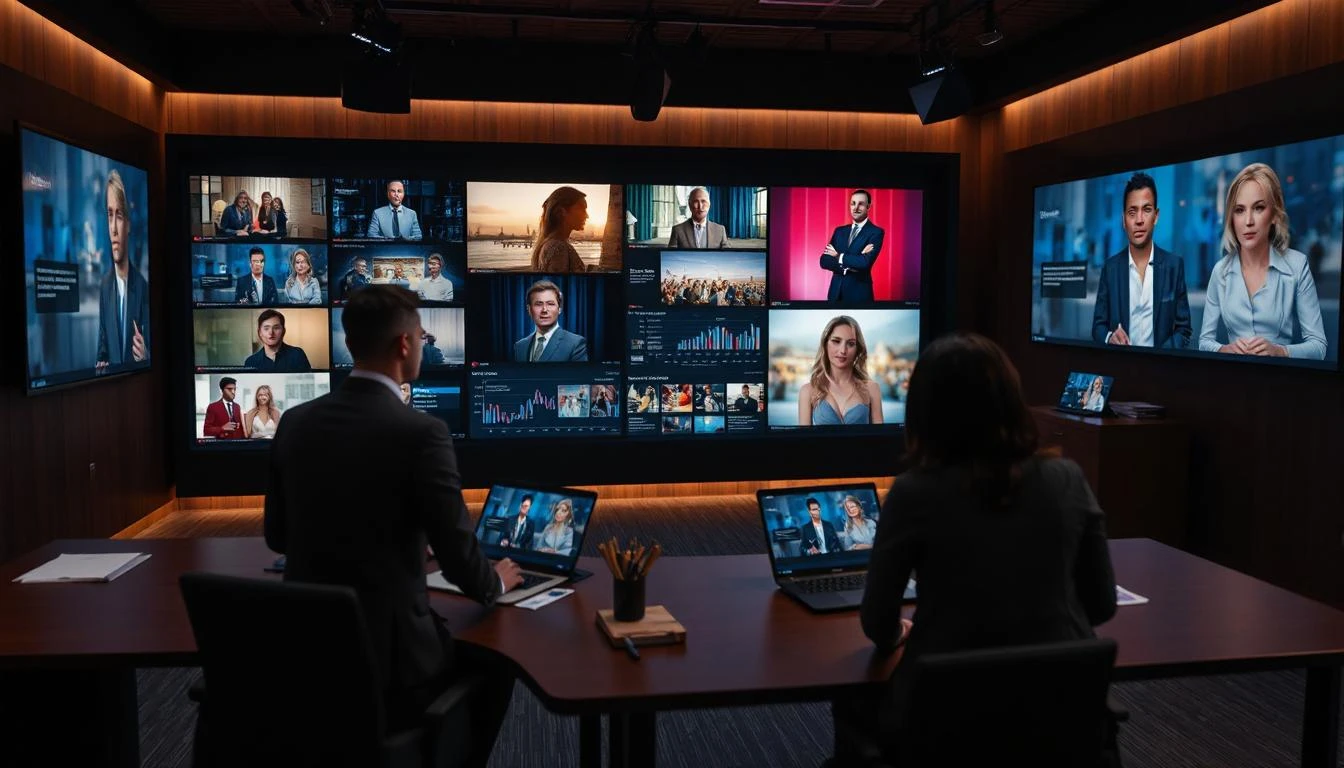
The way people consume entertainment, news, and digital content has changed dramatically over the last few years. What captures public attention today is often not determined by television networks or traditional media outlets, but by conversations happening across online platforms. A single post, video, or discussion can influence millions of people within hours, creating cultural moments that spread across countries and generations.
Viral social media content has become one of the strongest driving forces behind modern pop culture. From celebrity news and entertainment trends to global social movements and emerging internet phenomena, social media now shapes what people talk about, follow, and remember. As audiences become more connected than ever, understanding these trends offers valuable insight into how digital culture continues to evolve on a global scale.
How Social Media Shapes Pop Culture
Pop culture no longer develops behind closed doors. Today, cultural movements emerge in real time, fueled by online participation, creator influence, and audience interaction. As platforms continue to evolve, they are redefining how trends are discovered, shared, and transformed into worldwide conversations.
The impact of Social platform engagement can be seen everywhere, from trending hashtags and viral challenges to fan communities and digital campaigns. Every like, share, comment, and repost contributes to the momentum that turns ordinary content into cultural phenomena.
The influence of online platforms on cultural trends
Online platforms have become powerful engines of cultural discovery. Algorithms continuously surface content that resonates with audiences, allowing trends to gain visibility far beyond their original communities. What starts as a niche discussion can quickly become a global topic discussed by millions.
This influence extends across entertainment, fashion, music, gaming, and news media. Digital platforms create an environment where trends evolve rapidly, often faster than traditional media can report on them. As a result, social media has become a primary source of cultural influence for younger and older generations alike.
Viral content and digital communities
Digital communities play a crucial role in determining which content succeeds and which fades away. Viral posts often gain traction because communities actively participate in spreading, remixing, and discussing them. This collaborative behavior transforms content into shared cultural experiences.
Many users search for answers about how viral content spreads so quickly. The reality is that strong communities amplify messages through collective engagement, helping content reach new audiences across geographic and cultural boundaries. This process has become a defining characteristic of modern internet culture.
According to media scholar Henry Jenkins, "Participatory culture shifts audiences from passive consumers to active contributors." His observation perfectly reflects the modern social media landscape, where communities help shape the stories that dominate public attention.
The rise of creator-driven culture
Creators now hold significant influence over public conversations. Unlike traditional celebrities who relied heavily on television, radio, or print media, modern creators build direct relationships with audiences through digital platforms.
This creator-driven ecosystem allows individuals with expertise, creativity, or unique perspectives to develop loyal followings. As trust shifts toward authentic voices, creators increasingly influence purchasing decisions, entertainment preferences, and even broader cultural discussions.
Popular Social Media Trends Today
Social media trends continue to evolve at remarkable speed. While some trends disappear within days, others reshape online behavior for months or even years. Understanding what drives audience attention can help explain why certain content rises above the noise.
Content formats attracting audience attention
Short-form video remains one of the most dominant content formats across social media. Audiences appreciate quick, engaging experiences that deliver entertainment or information without requiring significant time investment.
At the same time, livestreams, behind-the-scenes content, educational clips, interactive polls, and user-generated content continue attracting strong engagement. These formats encourage participation rather than passive consumption, making audiences feel more connected to creators and communities.
The growing popularity of terms such as digital content trends, online audience behavior, creator economy growth, and social media algorithms reflects the increasing interest in understanding why certain formats consistently outperform others.
The role of engagement in trend growth
Engagement is often the difference between content that remains unnoticed and content that becomes a global trend. Every interaction sends signals to platform algorithms that the content deserves wider distribution.
When audiences actively comment, share, and discuss content, platforms interpret this activity as relevance. This creates a powerful cycle where engagement generates visibility, and visibility generates even more engagement. The result is rapid trend acceleration that can influence entire industries.
Marketing expert Neil Patel has noted that meaningful engagement often provides a stronger indicator of content value than simple reach metrics. This perspective highlights why successful creators focus on building genuine audience relationships rather than chasing views alone.
How online conversations shape public interests
Public interests are increasingly shaped through online discussions. Whether the topic involves entertainment releases, global news stories, emerging technologies, or cultural debates, conversations happening on social platforms frequently influence broader public perception.
As millions of users contribute opinions, reactions, and insights, collective attention shifts toward topics that generate the strongest emotional or intellectual responses. These conversations help determine what remains relevant in the public consciousness and what quickly disappears.
The Future Of Social Media And Culture
Looking ahead, the relationship between social media and culture is likely to become even more interconnected. Emerging technologies and changing user behaviors will continue influencing how communities form, communicate, and create shared experiences.
Emerging digital behaviors and communities
The future may see the rise of increasingly specialized online communities built around highly specific interests. These micro-communities often become early adopters of new ideas, trends, and cultural movements before they reach mainstream audiences.
As digital spaces become more personalized, users will likely seek deeper connections with communities that align closely with their interests, values, and passions.
Technology driving cultural change
Artificial intelligence, augmented reality, immersive digital experiences, and advanced recommendation systems are already transforming how people discover and interact with content. These innovations are making online experiences more personalized and interactive than ever before.
Technology will continue shaping not only the content people consume but also how they participate in cultural conversations. This ongoing transformation will redefine what it means to engage with media in the digital era.
New opportunities for content creators and audiences
As content creation tools become more accessible, opportunities for creators continue expanding. Individuals can now produce professional-quality content with fewer resources and reach audiences around the world.
For audiences, this means greater diversity of voices, perspectives, and experiences. The future of social media may be defined not by a few dominant voices but by countless creators contributing to a more dynamic and inclusive cultural landscape.
Explore Social Media Trends In Modern Pop Culture
The influence of social media on pop culture extends far beyond entertainment. It affects how information spreads, how communities form, and how public interests evolve. The most fascinating aspect is that cultural shifts often begin in unexpected places, emerging from conversations that initially seem small before capturing worldwide attention.
As digital platforms continue evolving, staying informed about emerging trends offers a deeper understanding of the forces shaping modern culture. The next major cultural movement may already be developing within an online community that has not yet reached mainstream awareness, making the digital landscape one of the most exciting spaces to observe today.